

Preparing Your Home for Sale: Practical Steps That Help Listings Stand Out
Preparing Your Home for Sale: Practical Steps That Help Listings Stand Out
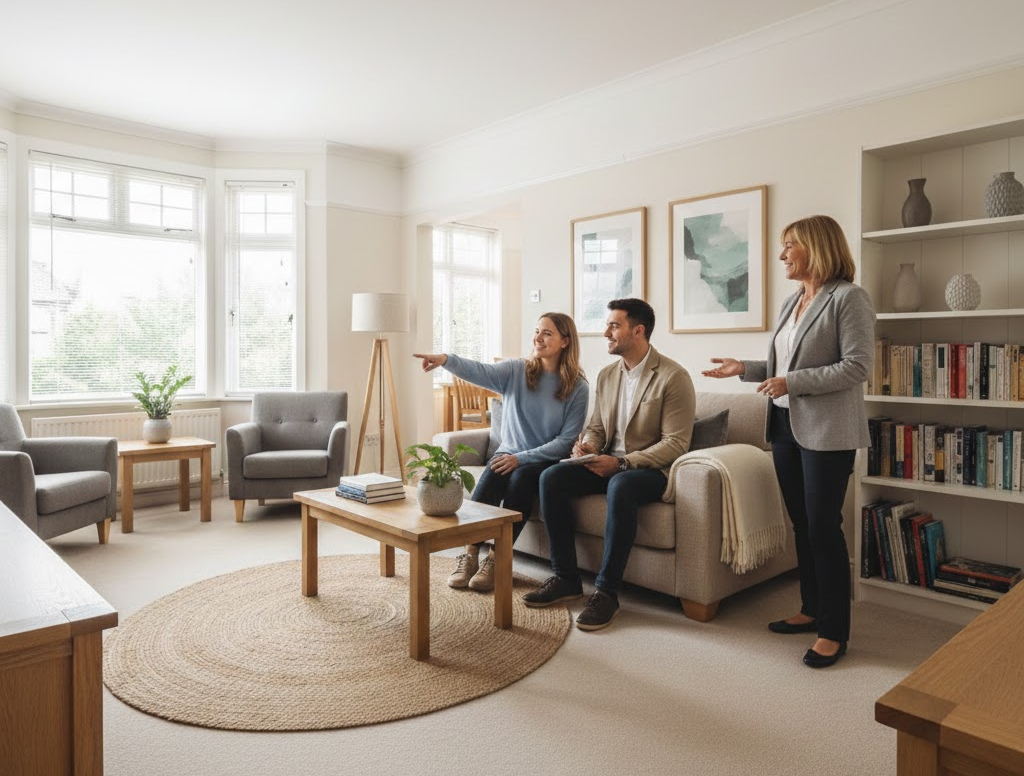
Most home searches start online. Buyers browse listings, stop on a picture, and decide whether the property deserves more attention. These first few seconds shape their interest before they even view the home.
In 2025, 98% of home buyers in the UK started their search online. First impressions now decide which homes are considered and which get ignored.
Images, lighting, and layout influence how buyers feel about a property before they think about its location or read the details. A clear presentation lowers doubt. Buyers feel more confident when a space is easy to understand.
At Waddington Village, you can gain valuable insights into local housing options, nearby areas, and helpful next steps for buyers and sellers planning a move.
This article offers practical tips for presenting your home clearly, making a strong first impression, and keeping buyers interested.
How Buyers Scan Listings Online
Browsing the internet reveals specific patterns. Shoppers first look at pictures, then the layout of the rooms, and finally the sizes. Text plays a supporting role.
Pictures quickly shape expectations. Dimly lit spaces, uncomfortable angles, or messy settings create doubt. Clear visuals help people understand faster.
Listings appear next to each other. A calm and organised presentation often grabs more attention than a flashy style.
Practical Steps That Strengthen Online Appeal
Here are some practical steps that strengthen online appeal:
Step 1: Create a Strong First Impression Before Viewings
First impressions form within seconds when buyers view listings online. A bright and open area invites exploration.
Crowded spaces signal uncertainty rather than interest. Poor lighting creates doubt rather than confidence. Too many visuals make it hard to judge room size.
Good preparation helps buyers focus on layout and flow rather than potential issues.
Step 2: Declutter Rooms to Show Space Clearly
Decluttering focuses on the space rather than the items in it. Clear floors and surfaces help buyers quickly see the size and shape of each room.
Too many items make spaces look smaller and create confusion. Large furniture and personal belongings can distract from the layout’s potential.
Recent data show that decluttered, well-staged homes sell up to 3 times faster than messy ones. Clear rooms let buyers imagine living there without any mental strain.
When a space is very easy to understand, buyers can move through listings with fewer issues.
Step 3: Improve Natural Light and Visual Flow
Light shapes how rooms look and feel in photos. Bright areas attract attention and help you see depth clearly.
Open curtains all the way. Clean your windows well. Use lamps to light up dark corners when taking pictures.
Use warm light bulbs to soften shadows and reduce harsh contrasts. Even lighting helps people see rooms accurately rather than creating dramatic effects.
To let in more natural light at home, explore this practical guide on simple changes that help rooms feel brighter and more open.
Step 4: Fix Small Issues Buyers Notice Immediately
Minor errors stand out on the internet. Worn handles, peeling paint, and discoloured seals raise concerns.
Buyers see missing parts as tasks they need to finish later. These initial doubts make it hard to decide.
Focus on visible areas first. Pay attention to doors, switches, baseboards, and faucets.
Step 5: Use Neutral Styling Buyers Trust Instantly
Neutral colours are inviting and create a familiar atmosphere. Soft whites, light greys, and natural textures bring clarity.
Bright colours can limit appeal. Personal style can distract from shape and proportions.
Consistency and texture create warmth. Cushions, throws, and even plants add comfort without cluttering the space.
Step 6: Use Photography to Show Space Honestly
Photography impacts how buyers know a product more than anything else. Images do create the first impression and shape emotional reactions.
Photography is one of the most influential elements of a property listing, as images are often the first thing potential buyers engage with. The aim is not to make a home look different, but to show it clearly. Capturing light, space, and flow helps buyers understand what they are seeing without feeling oversold. This approach reflects how professional imagery supports clearer decision-making early in the buying process. Good photography sets clear expectations for buyers about what they will find upon arrival at the exterior. You can see examples of good real estate photography at www.myphotosforever.co.uk/.
Clear images build trust. Presenting information honestly leads to better engagement and fewer wasted views.
Step 7: Prepare Outdoor Areas Buyers See First
Outside images continue to influence impressions. Entrances establish an atmosphere before shoppers browse within.
Unobstructed routes. Neat planting. Take away containers, playthings, and scattered objects. A tidy method instils confidence in the audience.
When outdoor areas are open and organised, buyers look at interior images with more confidence.
Balconies and gardens gain from minimalism. Space is more vital than decoration.
Step 8: Check Every Detail Areas Buyers See First
Look at each room as a buyer would. Go through the images one by one. Make sure the lighting is steady and that there is some movement.
Check the connections between rooms. Make sure the style and lighting are consistent in the images.
A final look often reveals missed details. Small changes can make a big difference.
Conclusion
Preparing a home for sale works best when you keep it simple. Buyers prefer spaces that feel calm and easy to understand. When your presentation is clear, from online photos to in-person viewings, buyers feel confident moving forward. Consistent listings build trust and attract more interest throughout the process.
Recent Posts
Preparing Your Home for Sale: Practical Steps That Help Listings Stand Out